Mirabegron and Vibegron for Overactive Bladder: Questions to Ask
Bladder & Pelvic FloorArticleBeta-3 agonists are the prescription bladder pills that work differently from older anticholinergic drugs. Here is what the labels say about blood pressure, urine retention and other checks before you start.
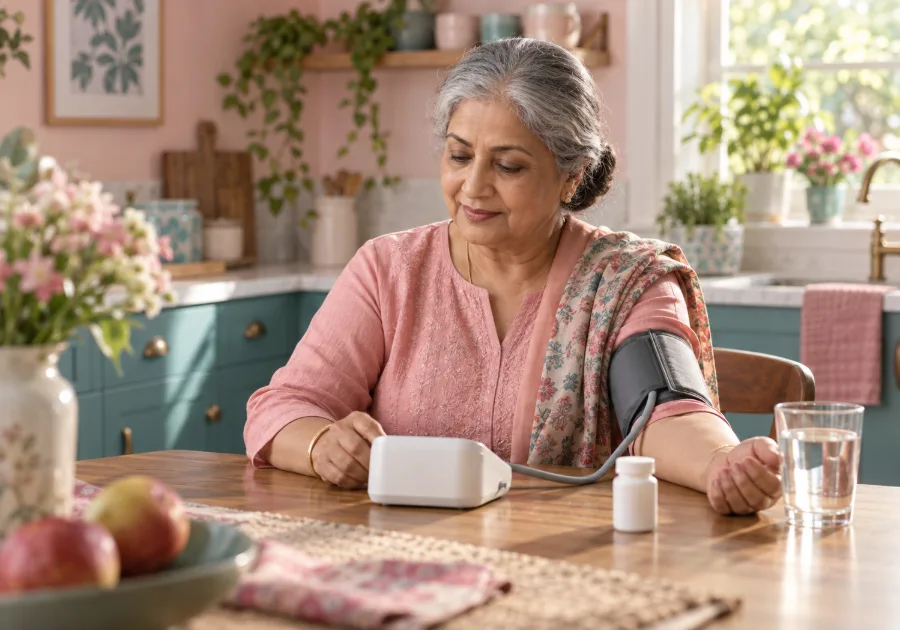
If you’re rushing to the bathroom, going often, or leaking on the way, your clinician may suggest a prescription medicine for overactive bladder. One group, beta-3 agonists, includes mirabegron and vibegron. They work by relaxing the bladder muscle in a different way from older anticholinergic drugs such as oxybutynin. Here is what to know.
Why they’re often considered
The 2024 urology guideline says clinicians should offer either anticholinergic (antimuscarinic) medicines or beta-3 agonists for overactive bladder, and choose based on side effects through shared decision-making.1 It also says clinicians should discuss the possible risk of dementia and memory problems with anticholinergic medicines.1 Beta-3 agonists work differently, which is one reason many women ask about them. Our article on the over-the-counter bladder patch covers the anticholinergic side.
The guideline also recommends bladder training for everyone with overactive bladder.1 A bladder diary helps you track whether any treatment is working.
Mirabegron
- Dose: starts at 25 mg once a day and may increase to 50 mg after 4 to 8 weeks.2
- Blood pressure: it can raise blood pressure. The label recommends periodic checks, especially if you have high blood pressure, and says it isn’t recommended for severe uncontrolled high blood pressure.2
- Interactions: it can raise levels of some medicines, including digoxin and drugs processed by the liver enzyme CYP2D6.2
- Common side effects: high blood pressure, cold-like symptoms, urinary tract infections and headache.2
Vibegron
- Dose: one 75 mg tablet a day. It can be crushed into applesauce if swallowing pills is hard.3
- Interactions: digoxin levels should be monitored.3
- Common side effects: headache, urinary tract infections, cold-like symptoms, diarrhea and nausea.3
Warnings for both
- Trouble emptying the bladder: both labels warn about urinary retention, especially for people with a blockage or who also take an anticholinergic bladder medicine.23
- Swelling: rare swelling of the face, lips, tongue or throat has been reported.23 Get emergency care if it happens.
Questions to ask
- Is this overactive bladder, or could it be an infection, stress incontinence or something else?
- Is a beta-3 agonist or an anticholinergic a better fit for my age, memory and blood pressure?
- How should I check my blood pressure at home?
- Does it interact with my other medicines, including heart medicines?
- What will my plan cover? Ask whether a generic version is available, since costs can vary widely.
- When will we judge whether it’s working?
Try: “I’m getting up to pee several times a day and leaking on the way. Given my blood pressure and memory concerns, which bladder medicine makes sense for me?”
Laugh, Sneeze, Jump includes an appointment prep sheet. Use it to record how often you go, leaks, and blood pressure readings, so you and your clinician can judge what’s working.
This article is for general educational purposes only and is not medical advice. It isn't a substitute for diagnosis or treatment from a qualified healthcare professional who knows your health history. Please don't ignore professional advice or delay getting care because of something you read here. If you can't empty your bladder, or have swelling of the face, lips, tongue or throat, seek medical care right away, and call 911 or your local emergency number if you think it's an emergency. This article discusses prescription medicines and their FDA-approved labels. Girl Playbook does not endorse any specific product, test, or provider.
Girl Playbook sells this book. It provides education and worksheets, not individualized medical care.
Sources
The research behind this article, in the order it’s cited. How we source our articles.
- American Urological Association and Society of Urodynamics, Female Pelvic Medicine & Urogenital Reconstruction, 2024The AUA/SUFU Guideline on the Diagnosis and Treatment of Idiopathic Overactive Bladder (opens in a new tab)abc
- DailyMed, National Library of Medicine, 2026Mirabegron extended-release tablets: prescribing information (opens in a new tab)abcdef
- DailyMed, National Library of Medicine, 2025Vibegron tablets: prescribing information (opens in a new tab)abcde
Spotted something out of date? Tell us and we’ll check it.


