Feminine Anti-Itch Creams: When the Cream Becomes the Problem
Intimate HealthArticleNumbing creams for vaginal or vulvar itching can calm things for a few hours. Patch-test studies show some ingredients, especially numbing agents and fragrances, can cause the very itch you're treating.
In this article
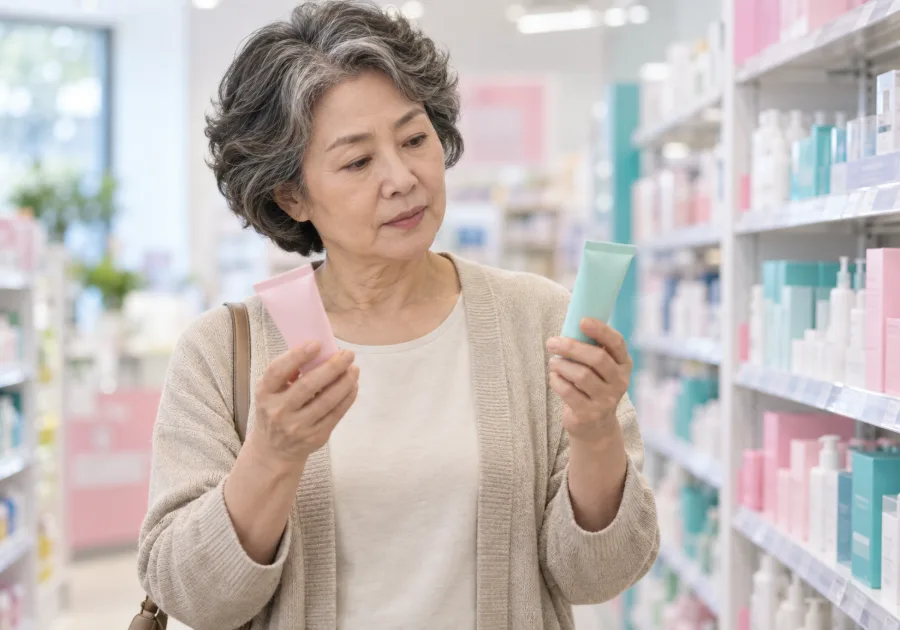
Vulvar itching is common after menopause, and the drugstore offers plenty of “feminine anti-itch” creams. Many contain a numbing ingredient such as benzocaine or lidocaine, sometimes with fragrance or soothing botanicals. They can bring quick relief. But if the itch keeps returning, the cream itself may be part of the problem.
What patch-test studies found
Doctors use patch testing to find out whether someone is allergic to an ingredient touching their skin.
- Numbing agents stand out. In a North American study of patients referred for patch testing, allergies to benzocaine and dibucaine, both numbing ingredients, were significantly more common in people with genital and anal-area rashes. So were allergies to a fragrance ingredient and two corticosteroids.1
- Medicine and fragrance allergies were usually relevant. In 282 women tested for vulvar symptoms, about half had an allergic contact rash. Itching was the most common complaint. Fragrances and topical antibiotics or numbing creams were found less often than some allergens, but when they were, they were almost always relevant to the woman’s symptoms.2
- Trying many products raises the odds. In a study of 43 women with vulvar itching, 44% had at least one allergy relevant to their symptoms. Using multiple topical treatments was one factor linked to a greater chance of allergy.3
Allergies can also be missed: many relevant allergens weren’t on the standard patch test series, so the testing had to include women’s own over-the-counter products.3
Signs the cream may be making things worse
- The itch improves for a few hours, then comes back stronger
- New redness, swelling, burning or rash where you apply it
- You’ve tried several products, and nothing helps for long
If that sounds familiar, stop using the products you’ve been applying and see a clinician. Bring them, or photos of the ingredient lists, to your visit.
Itching that needs a diagnosis
Long-lasting vulvar itch after 50 has many causes, including thinning tissue after menopause, yeast, skin conditions such as lichen sclerosus, and irritation from soaps or pads. Our guides to why the vulva itches and lichen sclerosus follow-up explain what to look for. A numbing cream can cover up symptoms that need treatment.
If you use an anti-itch cream
- Use it short term and follow the label.
- Choose fragrance-free products with short ingredient lists.
- Use one product at a time, so you can tell what helps or irritates.
- Skip scented washes and wipes. Our article on feminine washes and wipes covers what the vulva needs.
Try: “I’ve had vulvar itching for months and used several creams. Could I be allergic to one of them, and should I have patch testing or a closer exam?”
Down There, Decoded includes a Down-There Log and a See script for appointments. Use them to list every product you’ve used and how your skin responded, and bring the list to your visit. Explore the intimate-health playbook.
This article is for general educational purposes only and is not medical advice. It isn't a substitute for diagnosis or treatment from a qualified healthcare professional who knows your health history. Please don't ignore professional advice or delay getting care because of something you read here. If you think you may be having a medical emergency, call 911 or your local emergency number right away. Always read and follow the Drug Facts label on the product you buy. This article discusses categories of products and published research. It does not evaluate any particular brand or product. Girl Playbook does not endorse any specific product, test, or provider.
Girl Playbook sells this book. It provides education and worksheets, not individualized medical care.
Sources
The research behind this article, in the order it’s cited. How we source our articles.
- Archives of Dermatology (abstract via PubMed), 2008Anogenital dermatitis in patients referred for patch testing: retrospective analysis of cross-sectional data from the North American Contact Dermatitis Group, 1994-2004 (opens in a new tab)↩
- Clinical and Experimental Dermatology (abstract via PubMed), 2014Patch testing for vulval symptoms: our experience with 282 patients (opens in a new tab)↩
- Australasian Journal of Dermatology (abstract via PubMed), 2008Prospective study of patch testing in patients with vulval pruritus (opens in a new tab)ab
Spotted something out of date? Tell us and we’ll check it.


