3 Spread-Prevention Mistakes to Avoid With Molluscum
SkinArticleLeave bumps alone, pause hair removal over them and separate items that touch the affected skin.
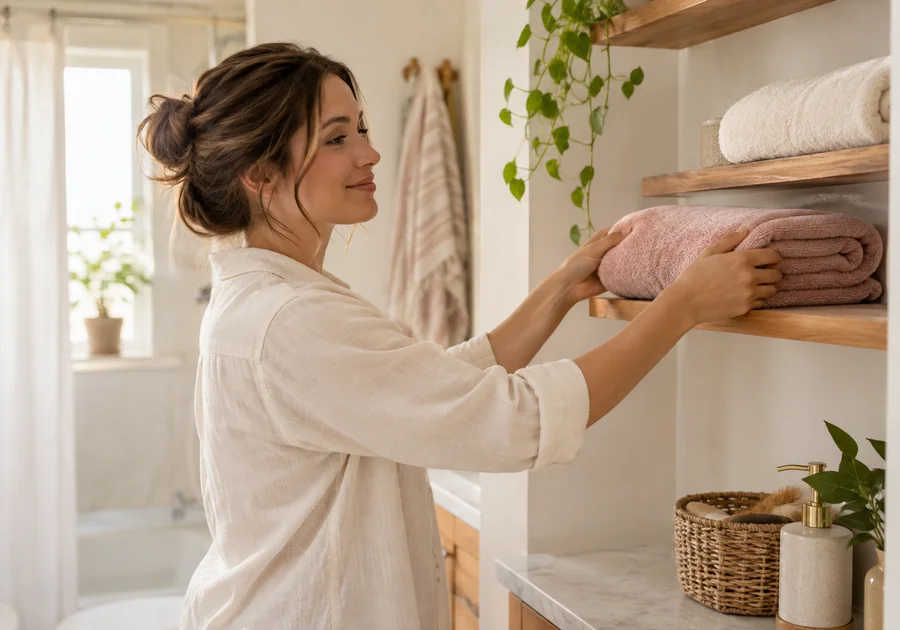
If a molluscum diagnosis has made you rethink the shared bathroom, start with the items and habits that touch the affected skin. Ask the clinician which areas need covering and whether treatment is recommended for your circumstances.
Three mistakes to avoid
-
Trying to empty a bump. Do not squeeze, pierce or remove the sores yourself. CDC1 warns that this can spread the infection and cause bacterial infection. Internet treatments can also be harmful.1
-
Shaving over the affected area. Shaving and other hair-removal procedures over sores can carry infection to other skin. Leave that area out of the hair-removal routine and ask the clinician when it is appropriate to resume.1
-
Sharing towels and clothes. Keep items that touch affected skin for your own use. CDC1 advises avoiding shared towels and clothing, since contaminated objects can transmit molluscum.1
Some locations need a treatment discussion
Healthy people often recover without treatment. Sores around the genitals are an exception: CDC1 recommends prompt clinician assessment, with treatment usually advised. The clinician needs to confirm whether the bumps are molluscum or another condition.1
Before leaving the appointment, ask where the bandage or clothing should go and which changes should prompt another call. Write down the instructions with the treatment name, if one is prescribed.
At home, pick a separate towel and decide where to keep it. You can explain the household routine without sharing details you would prefer to keep private.
Skin, Head to Toe includes a Skin Log and a visit script. Use them to organize observations and questions for follow-up. See the book.
This article is for general educational purposes only and is not medical advice. It isn't a substitute for diagnosis or treatment from a qualified healthcare professional who knows your health history. Please don't ignore professional advice or delay getting care because of something you read here. If you think you may be having a medical emergency, call 911 or your local emergency number right away. Girl Playbook does not endorse any specific product, test, or provider.
Girl Playbook sells this book. It provides education and worksheets, not individualized medical care.
Sources
The research behind this article, in the order it’s cited. How we source our articles.
- Centers for Disease Control and Prevention, 2025About Molluscum Contagiosum (opens in a new tab)abcdefgh
Spotted something out of date? Tell us and we’ll check it.


