3 Skin Checks Around a Surgical Dressing
SkinArticleDescribe the location, timing and wound changes to the team caring for you.
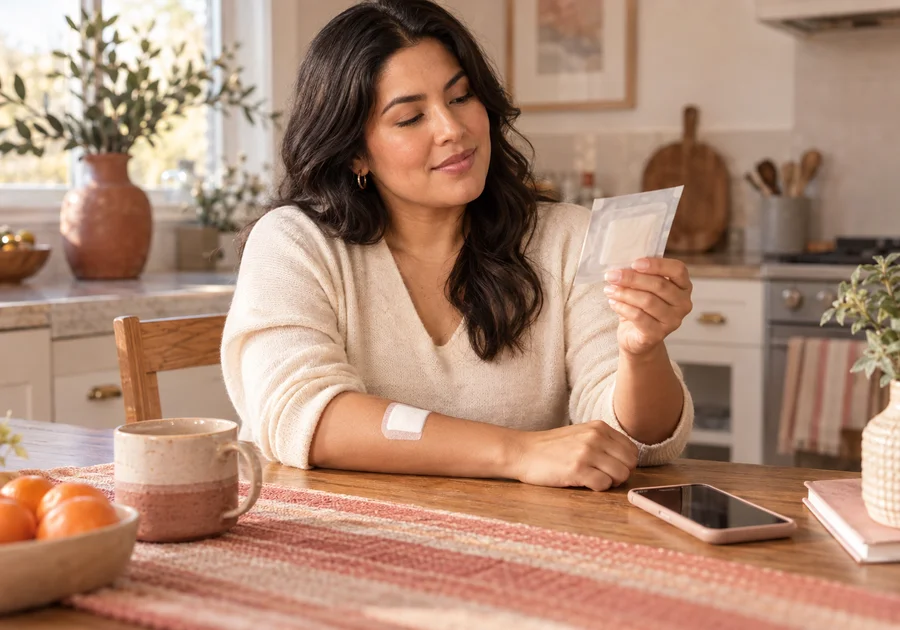
An itchy outline beside a surgical dressing can make you reluctant to touch anything and unsure whether to call. Contact the team caring for the wound so they can assess the skin and tell you how to manage the dressing.
Three skin checks to report
-
Where the change is. Describe whether the itching or rash sits under the adhesive, beside it or around the wound. Contact allergy often affects the area exposed to the substance, although it can extend beyond that area.1 A photograph can help you describe the location.
-
When it began. Note the operation date, dressing changes and when you first noticed the skin problem. Allergic contact dermatitis can appear a day or more after exposure.1 Keep the dressing and any topical-product names available.
-
What is happening at the wound. Hot, swollen, sore or red surrounding skin, pus, wound opening, fever or feeling unwell can indicate a wound infection. Contact your hospital team or doctor straight away about these signs.2
Ask before changing the dressing plan
The surgical-wound advice warns against removing dressings or touching the wound without instructions.2 Tell the team about the suspected reaction and ask them to arrange the appropriate dressing change and skin care.
A dermatologist may use patch testing to identify an allergen when contact allergy is suspected with recurring or persistent symptoms.1 That assessment is separate from the immediate wound review.
Skin, Head to Toe includes a Skin Log and visit script. Use them to organize the product details and observations you report; wound care and treatment instructions come from the clinical team. See the book.
This article is for general educational purposes only and is not medical advice. It isn't a substitute for diagnosis or treatment from a qualified healthcare professional who knows your health history. Please don't ignore professional advice or delay getting care because of something you read here. If you think you may be having a medical emergency, call 911 or your local emergency number right away. Girl Playbook does not endorse any specific product, test, or provider.
Girl Playbook sells this book. It provides education and worksheets, not individualized medical care.
Sources
The research behind this article, in the order it’s cited. How we source our articles.
- DermNetAllergic contact dermatitis (opens in a new tab)abcd
- Guy's and St Thomas' NHS Foundation Trust, 2025Surgical wounds and preventing infections (opens in a new tab)abc
Spotted something out of date? Tell us and we’ll check it.


