Free shipping

ArticlesTopic 01

Bladder & Pelvic Floor

Leaks when you laugh, sneeze or run, the sudden urge, and the muscles that can change it.

170 articles

  • Bladder & Pelvic FloorEvidence check

    Can Cutting Salt Stop You Waking to Pee? What Studies Show

    Salt may be an overlooked cause of night-time bathroom trips. In a Japanese clinic study of 728 people, those eating more salt had about 3 times the odds of nocturia. When people with high salt intake cut back, their night-time trips fell from about 2.3 to 1.4 a night, while those who didn't cut back saw no change. It wasn't a randomized trial, but it's an easy thing to test. Here is what the research shows.

    2 min read

  • Bladder & Pelvic FloorEvidence check

    Do Bladder Leaks Run in Families? What Studies Show

    If your mother or sister leaks, your own risk is somewhat higher. In a Norwegian study of more than 6,000 mothers and 7,600 daughters, daughters of women with leaks had about 1.3 times the risk, and sisters about 1.6 times. Twin studies suggest genes matter most for urge leaks, while for stress leaks and prolapse surgery, lifestyle and life events matter at least as much. Here is what that means for prevention.

    2 min read

  • Bladder & Pelvic FloorEvidence check

    Vaginal Laser for Bladder Leaks: What the Trials Show

    Clinics offer vaginal laser as a quick, non-surgical fix for leaking when you cough or sneeze. Two sham-controlled trials found more women improved with laser. But a 2025 Cochrane review of 9 trials with 689 women rated the evidence very low certainty, found the average improvement too small to notice in the short term, and the FDA has not cleared any such device for incontinence. Here is how to weigh it.

    2 min read

  • Bladder & Pelvic FloorEvidence check

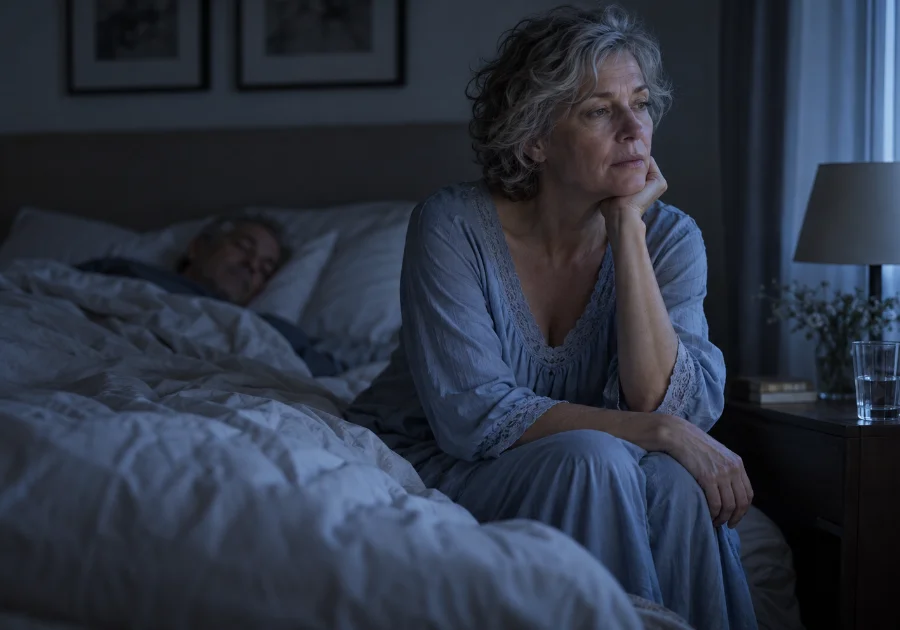
    Waking at Night to Pee? Could It Be Sleep Apnea? What Studies Show

    Frequent night-time bathroom trips aren't always about the bladder. In a Toronto clinic, 62% of women with night-time peeing screened as high risk for sleep apnea, against 24% without it. A review of 5 studies found that treating apnea with CPAP cut night-time trips. But a larger review found the link clearest in men, and it wasn't statistically clear in women. Here is what that means and when to ask about a sleep test.

    2 min read

  • Bladder & Pelvic FloorEvidence check

    Accidental Bowel Leakage in Women: How Common Is It and What Helps?

    Leaking stool or mucus is far more common than most women realize. A US national survey found about 9% of women had at least one accident in the past month, rising with age. Loose stools were a key risk. In a trial, a psyllium fiber supplement cut weekly accidents from about 5.5 to 2.5. In another, medicine and pelvic floor biofeedback did no better than an education leaflet. Here is what the studies show.

    2 min read

  • Bladder & Pelvic FloorEvidence check

    Bladder Irritants: Do Certain Foods and Drinks Worsen Urgency?

    Lists of 'bladder irritants' tell you to cut coffee, tea, alcohol, fizzy drinks, citrus, tomatoes and spicy food. In a small trial, women who cut back on those drinks peed about once a day less and felt less urgency. Most of the food list comes from surveys of people with bladder pain, and sensitivities vary. Here is what the evidence covers and how to test your own triggers.

    2 min read

  • Bladder & Pelvic FloorEvidence check

    Bladder Leaks and Depression or Anxiety: What Studies Show

    Leaking urine and low mood often travel together. A review of 12 studies with over 31,000 people found depression and anxiety were more common in people who leak. Long-term studies suggest the link runs both ways: in Norway, women who started out depressed had about twice the odds of starting to leak, and leaking went with more new depression. Here is what the research shows and why both deserve care.

    2 min read

  • Bladder & Pelvic FloorEvidence check

    Do Fizzy Drinks or Sparkling Water Make Bladder Urgency Worse?

    Bladder advice often says to cut the fizz. The main evidence is one study of 7,046 women aged 40 and over, in which carbonated drinks were linked with new urgency and new stress leaks a year later. Here is what that study can and can't tell you, where caffeine hides in soda, and how to test it yourself.

    2 min read

  • Bladder & Pelvic FloorEvidence check

    Do Pelvic Floor Exercise Apps Work? What the Trials Found

    Kegels work best when you keep doing them, and an app is a cheap way to keep reminding you. In a Swedish trial of 123 women with stress leaks, a free training app cut symptom scores by more than three points in three months compared with waiting. A 2026 review of 12 trials found apps helped people stick with training, but the symptom gains were small. Here is what to expect.

    2 min read

Next topic · 02Intimate HealthOdor, discharge, dryness and comfort down there. What’s normal, what isn’t, and what actually helps.

Private questions deserve good answers.

Ten Playbooks, one for each of the problems women rarely talk about.

Shop the Playbooks