Odor-Resistant Clothing: What "Antimicrobial" on the Tag Means
Odor & SweatArticleShirts, bras and socks labeled antimicrobial or odor-fighting cost more. EPA rules limit what those words can promise, and the fabric itself may matter as much as the treatment.
In this article
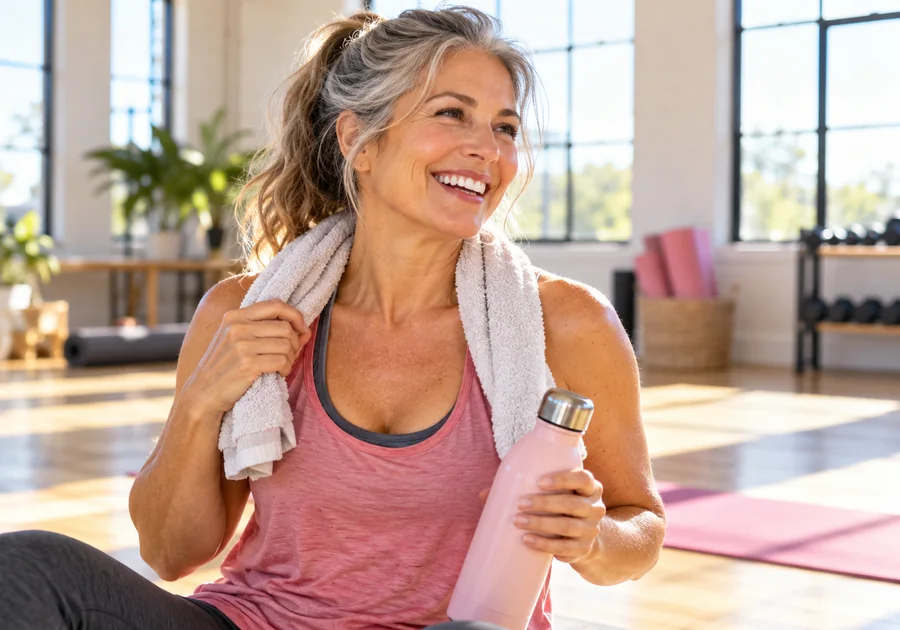
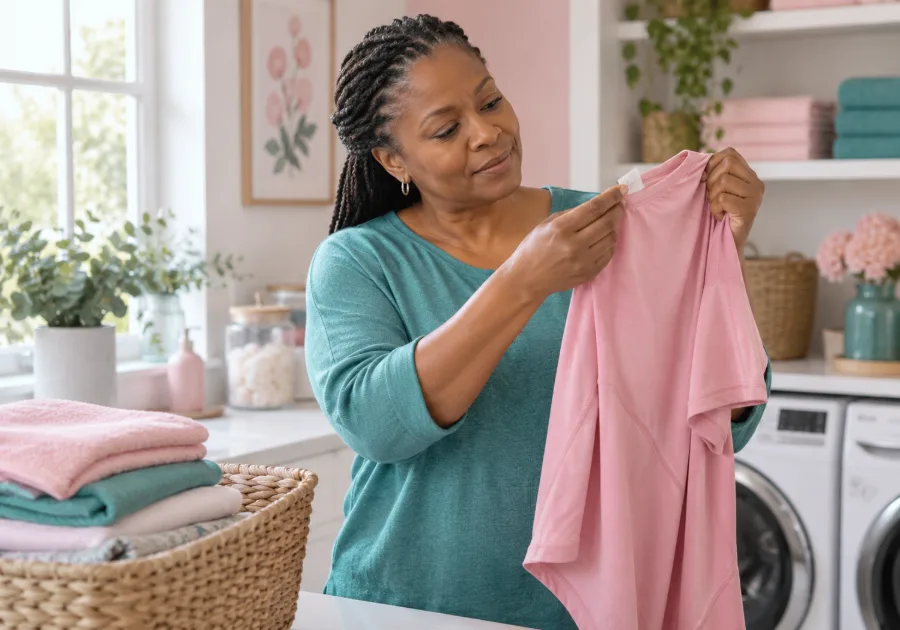
If hot flashes, workouts or night sweats leave your clothes smelling stale, “odor-resistant” and “antimicrobial” shirts, bras and socks can look worth the extra money. Many are treated with silver or other chemicals. Here is what those labels are allowed to mean, and what research shows about fabric and odor.
What the label can promise
Antimicrobial chemicals in clothing are regulated as pesticides by the Environmental Protection Agency (EPA). A product treated with a registered antimicrobial can skip separate registration under the “treated articles exemption,” but only if the treatment’s sole purpose is to protect the item itself.1
That means:1
- Allowed: claims that the treatment inhibits offensive odors, mildew or spoilage in the fabric.
- Not allowed without EPA registration: claims, stated or implied, that the item protects you against germs or infections.
- Words like “antimicrobial” may be used only if they’re clearly qualified as protecting the product, not your health.
So an “antimicrobial” shirt is designed to keep the shirt fresher. It isn’t a deodorant, and it doesn’t treat body odor or skin infections.
Fabric matters
In a 2014 study, 26 people wore cotton or polyester shirts during an intense indoor cycling class. After the shirts sat for 28 hours, a trained odor panel rated the polyester shirts as smelling significantly less pleasant and more intense than the cotton ones. Different bacteria grew on the two fabrics.2
The researchers concluded that the type of fiber influences which bacteria grow and how much odor develops.2 That doesn’t mean polyester is always worse, especially if it’s treated, but it’s one reason a cotton or blended shirt may smell better after a sweaty day.
Before you pay more
- Read the tag carefully. Look for a clear statement that the treatment protects the garment.
- Be wary of health claims such as “kills germs on your skin” or “prevents infection.”
- Ask how long the treatment lasts through washing.
- Try one piece first and see whether it makes a difference for you.
What helps with clothing odor
- Wash sweaty clothes soon rather than leaving them in a hamper.
- Let clothes dry completely before storing.
- Rotate breathable layers on hot or high-sweat days.
When to look beyond the laundry
If you’re soaking clothes often, sweating at night, or noticing a change in your body odor, it may be worth a checkup. Our guides to night sweats and still smelling after showering explain causes to discuss with your clinician.
Try: “I sweat through my clothes most days and change shirts at lunch. Could something medical be causing it, and what treatment options do I have?”
Arms Up includes a Fresh Log and a four-point sweat scale. Use them to track which fabrics and products you wore and how much you sweated, so you can spot what works. See the book.
This article is for general educational purposes only and is not medical advice. It isn't a substitute for diagnosis or treatment from a qualified healthcare professional who knows your health history. Please don't ignore professional advice or delay getting care because of something you read here. If you think you may be having a medical emergency, call 911 or your local emergency number right away. This article discusses categories of products and federal labeling policy. It does not evaluate any particular brand or product. Girl Playbook does not endorse any specific product, test, or provider.
Girl Playbook sells this book. It provides education and worksheets, not individualized medical care.
Sources
The research behind this article, in the order it’s cited. How we source our articles.
- U.S. Environmental Protection Agency, 2000Pesticide Registration (PR) Notice 2000-1: Applicability of the Treated Articles Exemption to Antimicrobial Pesticides (opens in a new tab)ab
- Applied and Environmental Microbiology (full text via PubMed Central), 2014Microbial odor profile of polyester and cotton clothes after a fitness session (opens in a new tab)ab
Spotted something out of date? Tell us and we’ll check it.