Free shipping

The library

Every article, in one place.

1,820 articles · Page 37 of 152

  • Breath & MouthEvidence check

    Does Vitamin B12 Help Canker Sores? What Trials Found

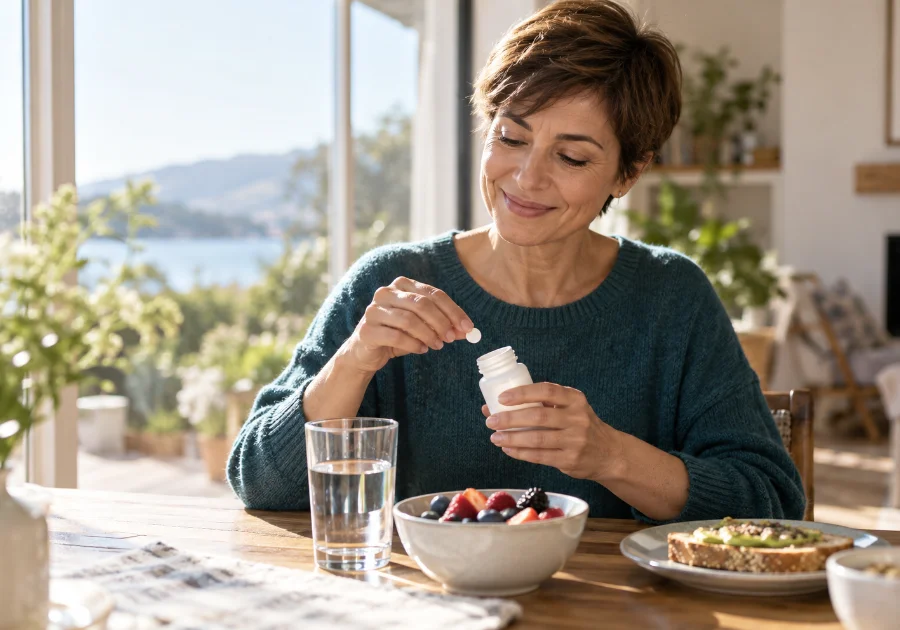
    If canker sores keep coming back, vitamin B12 is worth knowing about. In a trial of 58 people, a daily 1,000 mcg B12 dose under the tongue for 6 months left 74% sore-free in the last month, against 32% on placebo, even in people with normal B12 levels. But a larger trial of a standard daily multivitamin found no benefit. Low B12 is also more common in people who get canker sores. Here is how to read it.

    2 min read

  • SkinEvidence check

    Dry, Cracked Hands From Washing? What Hand Eczema Studies Show

    Hand eczema is common: across 66 studies of more than half a million people, about 1 in 7 had it at some point, and women were affected 1.5 to 2 times as often as men. Soaps, detergents and frequent wetting are the usual culprits. Two Dutch hospital trials tried to prevent it with moisturizer and habit changes, with mixed results. Here is what the studies show and a routine worth trying.

    3 min read

  • Menopause & HormonesEvidence check

    Dry Eyes After Menopause: Does HRT Help or Hurt? What Studies Show

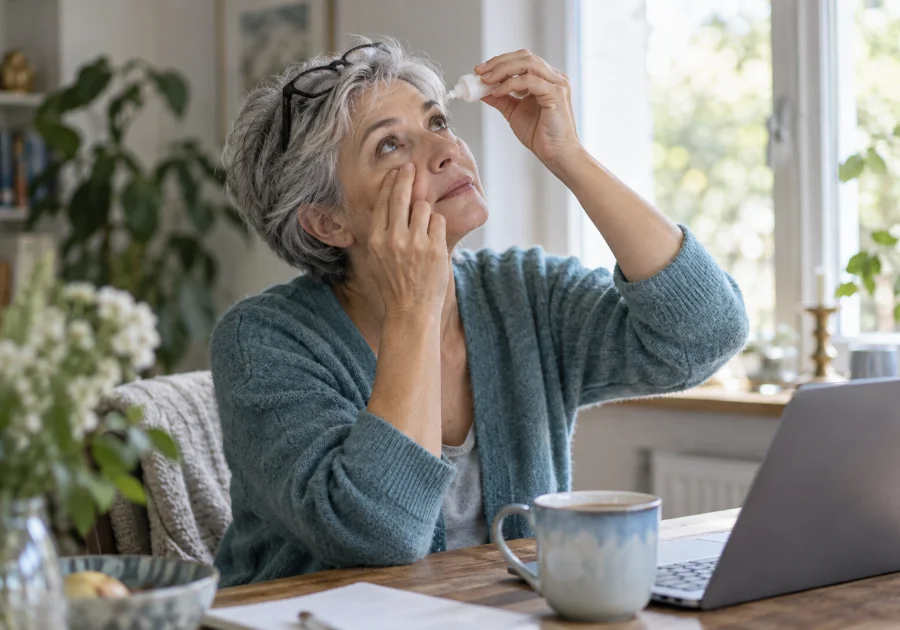
    Dry eye is common in women over 50: in a US survey of nearly 40,000 women, about 1 in 13 had it. Whether hormone therapy helps is mixed. In a study of 25,665 women, those on estrogen alone had about 70% higher odds of dry eye. Yet small trials pooled in a 2020 review found hormone therapy improved tear and eye-surface measures. Here is how to read the conflict.

    2 min read

  • Menopause & HormonesEvidence check

    Early Menopause and Heart Disease: What Studies Show

    When periods stop early, the heart may feel it. Pooling data on 301,438 women from five regions, researchers found that menopause before 40 went with about 1.55 times the risk of a first heart attack, angina or stroke, and menopause at 40 to 44 about 1.3 times, compared with menopause at 50 or 51. Surgical removal of both ovaries added more risk, and HRT appeared to lower it. Here is what this means.

    2 min read

  • Bloating & DigestionEvidence check

    Gallstones Found by Chance? How Often They Cause Trouble

    Many women learn they have gallstones from a scan done for something else. Most silent gallstones stay quiet: in a Cleveland Clinic study of 22,257 people, about 10% developed symptoms within 5 years and about 1 in 5 within 10. Women, younger people, and those with several or large stones were more likely to get symptoms. Here is what that means and which symptoms need help fast.

    2 min read

  • PeriodsEvidence check

    Heavier Periods With a Copper IUD: Do They Settle? What Studies Show

    A copper IUD can make periods heavier, longer and more painful. In a study of 1,947 first-time users followed for a year, bleeding and pain during periods tended to ease over time, though spotting between periods didn't. A Cochrane review of 21 trials found anti-inflammatory painkillers and a few other options may help, on low-quality evidence. Here is what to expect and when to get checked.

    2 min read

  • HairEvidence check

    Can a Hormonal IUD or Implant Cause Hair Loss? What Studies Show

    Some women notice more shedding after getting a hormonal IUD or contraceptive implant. The evidence is thin but points to a possible, uncommon link. A New Zealand monitoring study estimated hair loss in about 1 in 300 hormonal IUD users, and implant trials list hair loss among less common possible side effects. Stopping the pill is also a known shedding trigger. Here is what to know and what to track.

    2 min read

  • Odor & SweatEvidence check

    How Common Is Excessive Sweating? What Surveys Found

    If you sweat far more than seems normal, you have plenty of company. US surveys put excessive sweating, called hyperhidrosis, at about 3% to 5% of people, and a German workplace screening found 16% reported it. Yet most never see a doctor about it, often because they don't know it's treatable. Here is what the surveys found and why the numbers differ.

    2 min read

  • Intimate HealthEvidence check

    Is an HPV Self-Swab as Accurate as a Smear? What Studies Show

    Many women put off cervical screening because of the speculum exam. A self-swab for HPV is now an option in several countries. A review for France's national health authority found that validated lab tests on self-samples were as sensitive as clinician samples, though slightly less specific. In London trials, offering a kit in person got about half to two-thirds of overdue women to send one back. Here is what that means for you.

    2 min read

  • Intimate HealthEvidence check

    Is Coconut Oil or Vaseline Safe as Lube? What Studies Show

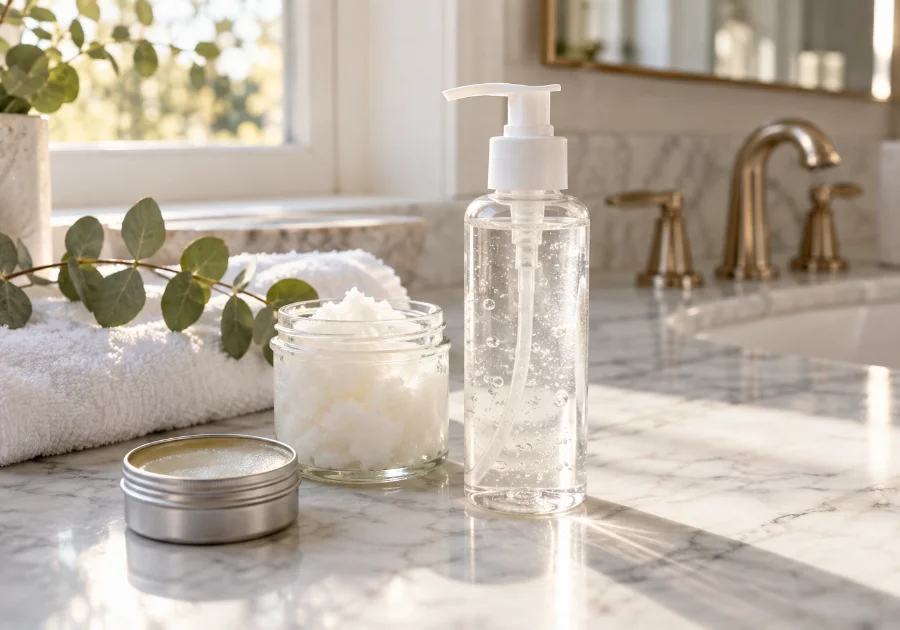
    Kitchen and bathroom oils are popular stand-ins for lube, but two problems show up in the research. In a Los Angeles study of 141 women, those who used petroleum jelly inside the vagina were about twice as likely to have bacterial vaginosis, and oil users had far more yeast. In lab tests, a minute of mineral oil cut latex condom strength by about 90%. Here is what to know before reaching for the jar.

    2 min read

  • HairEvidence check

    Is My Thinning Hair From PCOS? What Studies Show

    Thinning on top is common in women with PCOS: in one clinic study of 100 women with PCOS, 31% had female pattern hair loss. But it's an unreliable clue on its own. A study of 401 women referred for possible PCOS found hair loss and acne were common yet poor markers of high androgens, while excess body hair and dark velvety skin were better ones. Here is what experts recommend testing and how treatment differs.

    2 min read

Private questions deserve good answers.

Ten Playbooks, one for each of the problems women rarely talk about.

Shop the Playbooks