Sleep & NighttimeGuide
Essential Oils in a CPAP Humidifier? Check the Device Instructions
The AirSense 11 guide prohibits scented additives. Bring dryness or congestion to the sleep team instead.
Free shipping
ArticlesTopic 10
Night sweats, snoring, drooling, 3 a.m. bathroom trips and waking up exhausted.
Sleep & NighttimeGuide
The AirSense 11 guide prohibits scented additives. Bring dryness or congestion to the sleep team instead.
Sleep & NighttimeEvidence check
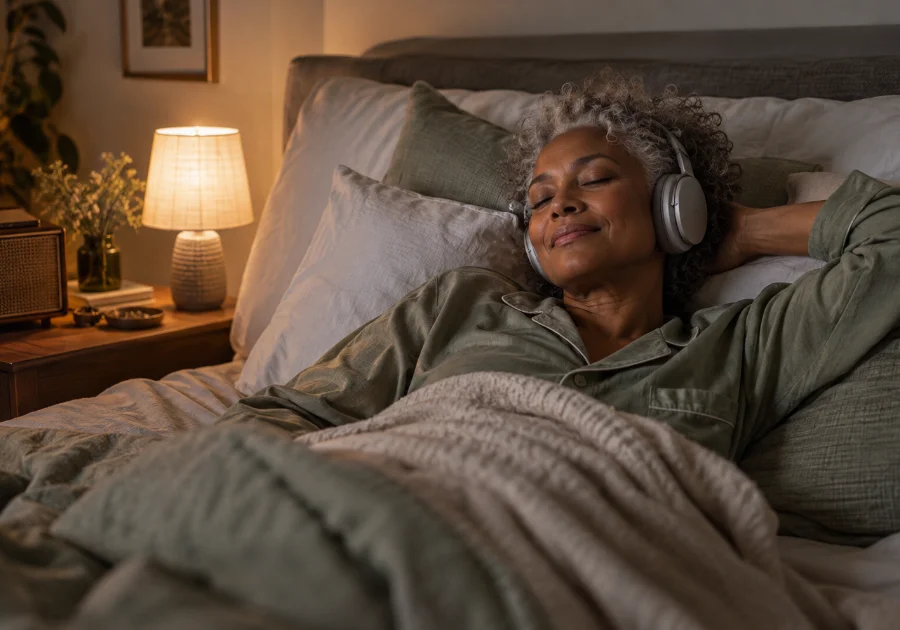
Music at bedtime is cheap, easy and free of side effects, and the trials are fairly encouraging. A Cochrane review of 13 studies with 1,007 adults with insomnia found that listening to music for 25 to 60 minutes a day improved how well people rated their sleep, with moderate-certainty evidence. In older adults, calm, slow music for at least 4 weeks worked best. But on sleep trackers, the gains didn't show up. Here is what that means.
Sleep & NighttimeExplainer
REM-suppressing medicines and recent withdrawal can affect a daytime nap test. Coordinate preparation with the sleep team and the clinician prescribing your antidepressant.
Sleep & NighttimeEvidence check
Spending less time in bed sounds like the opposite of what an insomniac needs, but it's one of the core parts of CBT for insomnia. In an English trial of 642 adults, three-quarters of them women, four short nurse sessions of sleep restriction cut insomnia severity more than a sleep hygiene booklet at 6 months. A lab study found the first weeks bring extra daytime sleepiness. Here is how it works and who should take care.
Sleep & NighttimeEvidence check
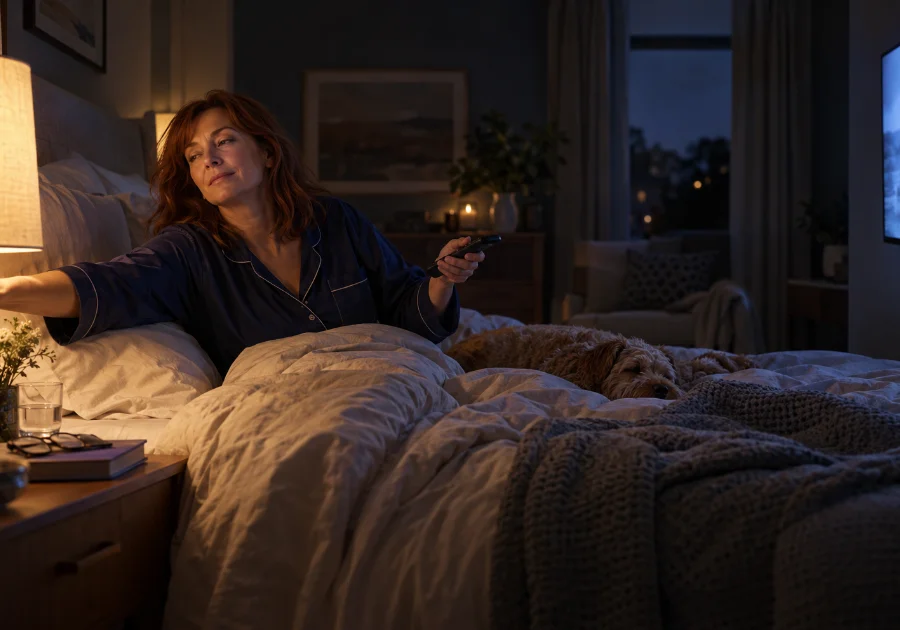
Falling asleep to the TV is a habit for many women. In the US Sister Study of 43,722 women, those who slept with a TV or light on in the room were about a third more likely to develop obesity over about 6 years than those who slept in the dark, even after accounting for sleep length, diet and exercise. A lab study found one night with a room light on raised heart rate and next-morning insulin resistance. Here is what that means.
Sleep & NighttimeEvidence check
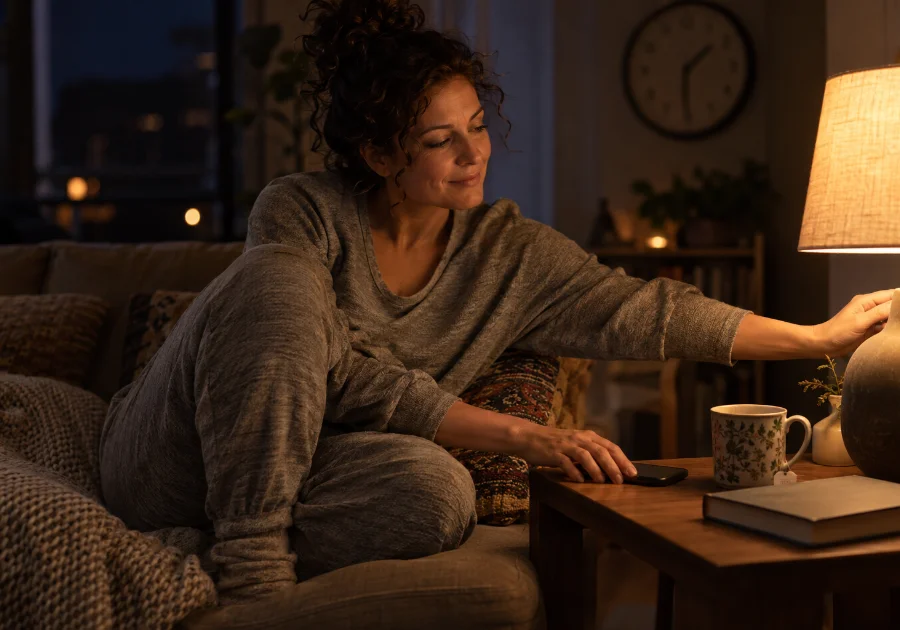
Scrolling, one more episode, finally some time to yourself: many people go to bed later than they meant to for no outside reason. Researchers call it bedtime procrastination. In a representative Dutch survey of 2,431 adults, it was common and tied to not getting enough sleep. In a small trial, a behavioral program cut it by about 46 minutes a night. Here is what the research shows.
Sleep & NighttimeEvidence check
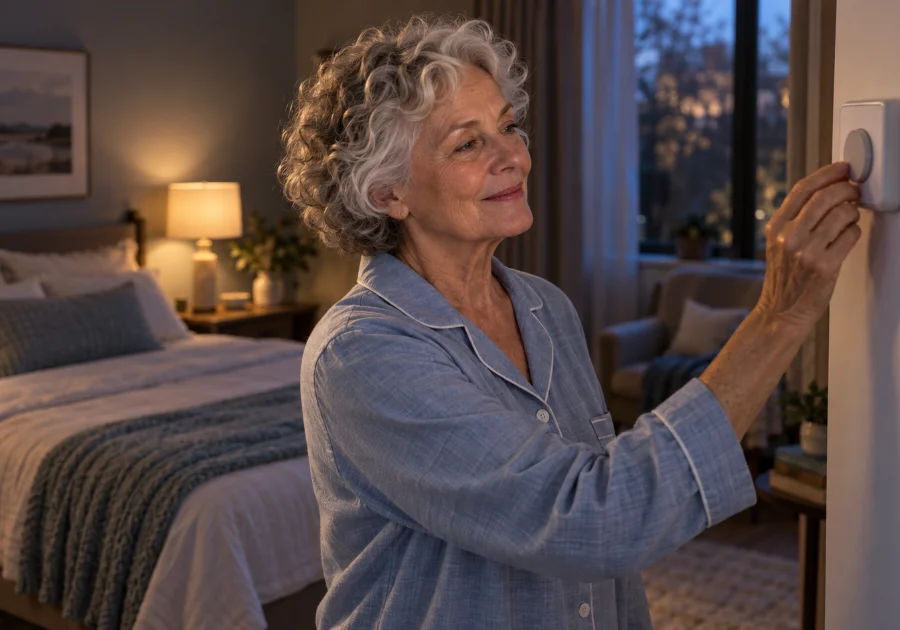
Most advice says to keep the bedroom cool, often with one number. A Boston study tracked 50 adults aged 65 and up in their own homes for nearly 11,000 nights and found they slept best between 20 and 25°C (68 to 77°F), with sleep efficiency dropping 5 to 10% as the room rose from 25 to 30°C. Here is what it measured and why your own best number may differ.
Sleep & NighttimeEvidence check
Sleeping in on Saturday feels like paying back the week. A Swedish study of 43,880 people found that under-65s who slept short on weekdays but long on weekends had no higher death rate than steady 6-to-7-hour sleepers. But a lab trial found weekend lie-ins didn't protect against the blood sugar and weight effects of short weeknights. Here is what the two studies show and why a steady schedule still helps.
Sleep & NighttimeEvidence check
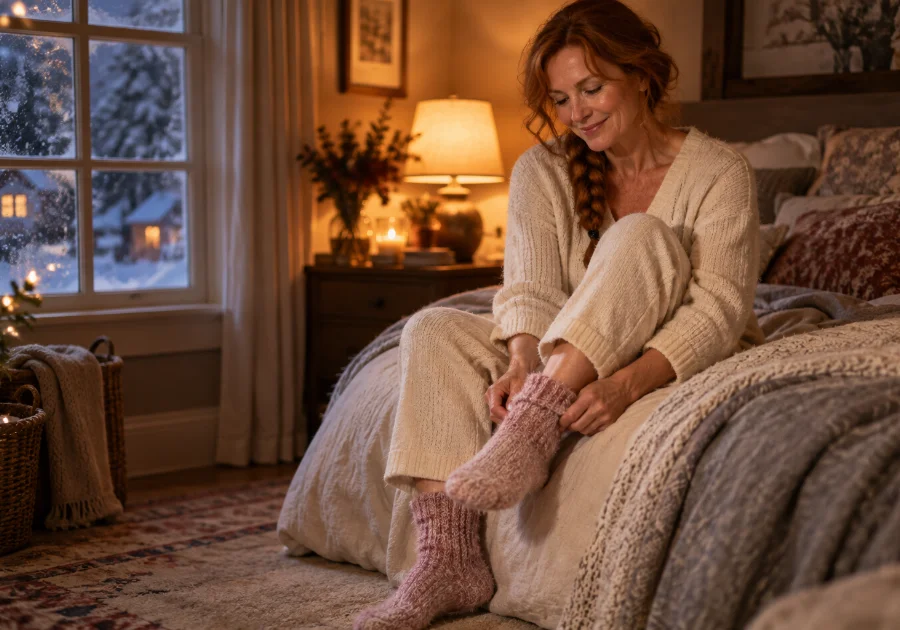
Warming the skin may make it easier to fall asleep. In a small Korean study in a cool room, young men wearing bed socks fell asleep about 7.5 minutes faster and slept 32 minutes longer. A Dutch lab found warming feet sped sleep in adults, but the effect weakened with age and didn't help older people with insomnia. Here is what the research shows.
Sleep & NighttimeEvidence check
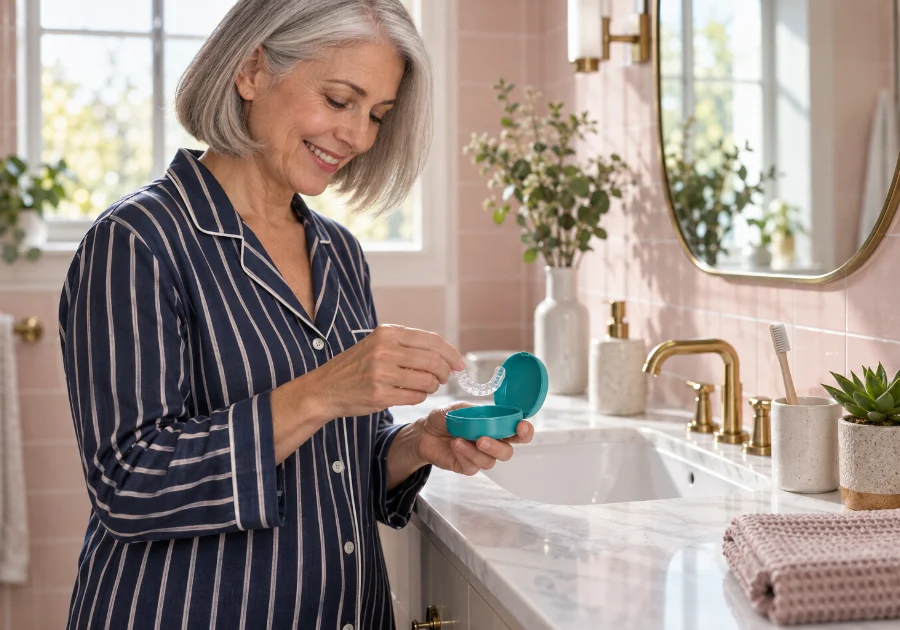
A night guard protects your teeth from grinding, but reviews of the trials haven't shown it stops the grinding itself, and no trial has measured whether it saves tooth wear. Here is what the Cochrane and UK reviews found, how Botox compares, and why your medicine list matters.
Sleep & NighttimeEvidence check
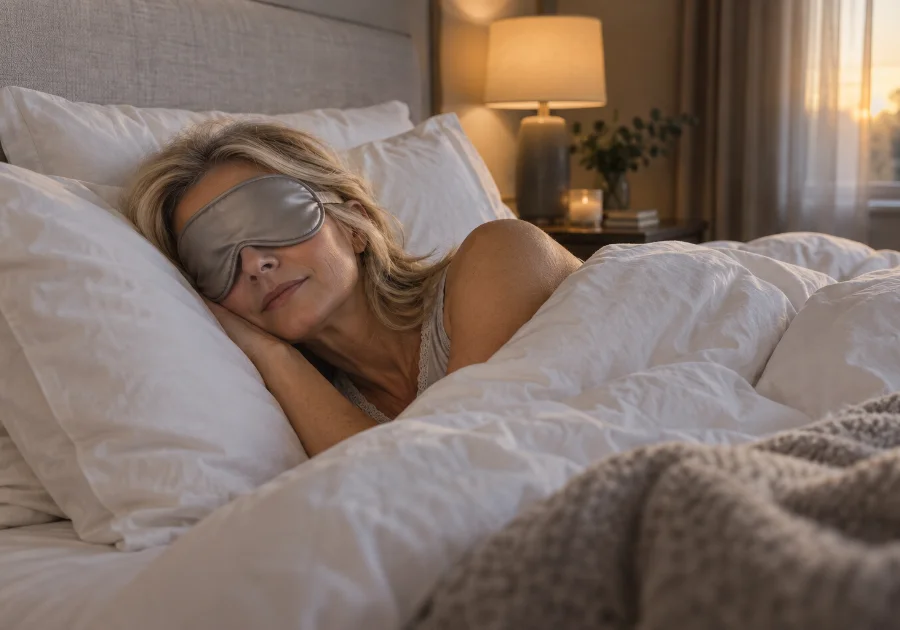
Streetlights, early sunrise and a partner's reading lamp can all reach your eyes at night. In a UK study, young adults who wore an eye mask for a week did better on memory and alertness tests than in a week without one. In hospital intensive care units, reviews found eye masks and earplugs improved sleep. Here is what the research shows, who it fits, and what to try.
Sleep & NighttimeEvidence check
Sleep advice often says to stop exercising three or four hours before bed. But a review of 23 studies found evening exercise didn't harm sleep overall, and slightly increased deep sleep. The exception was hard exercise ending within an hour of bedtime. A second review found even high-intensity workouts 2 to 4 hours before bed didn't disrupt sleep. Here is what the studies tested and who they leave out.